The Pre-Loved Fine Jewelry Trap: 4 Inside Secrets Resellers Never Want You to Know
Think buying authentic pre-loved fine jewelry keeps you safe? Think again. SuperfakesWiki exposes the dark side of the secondary market—from aftermarket stone swaps to fake certificates and the truth behind "pristine" polished gold. Don't get fleeced by the "Full Set" illusion.
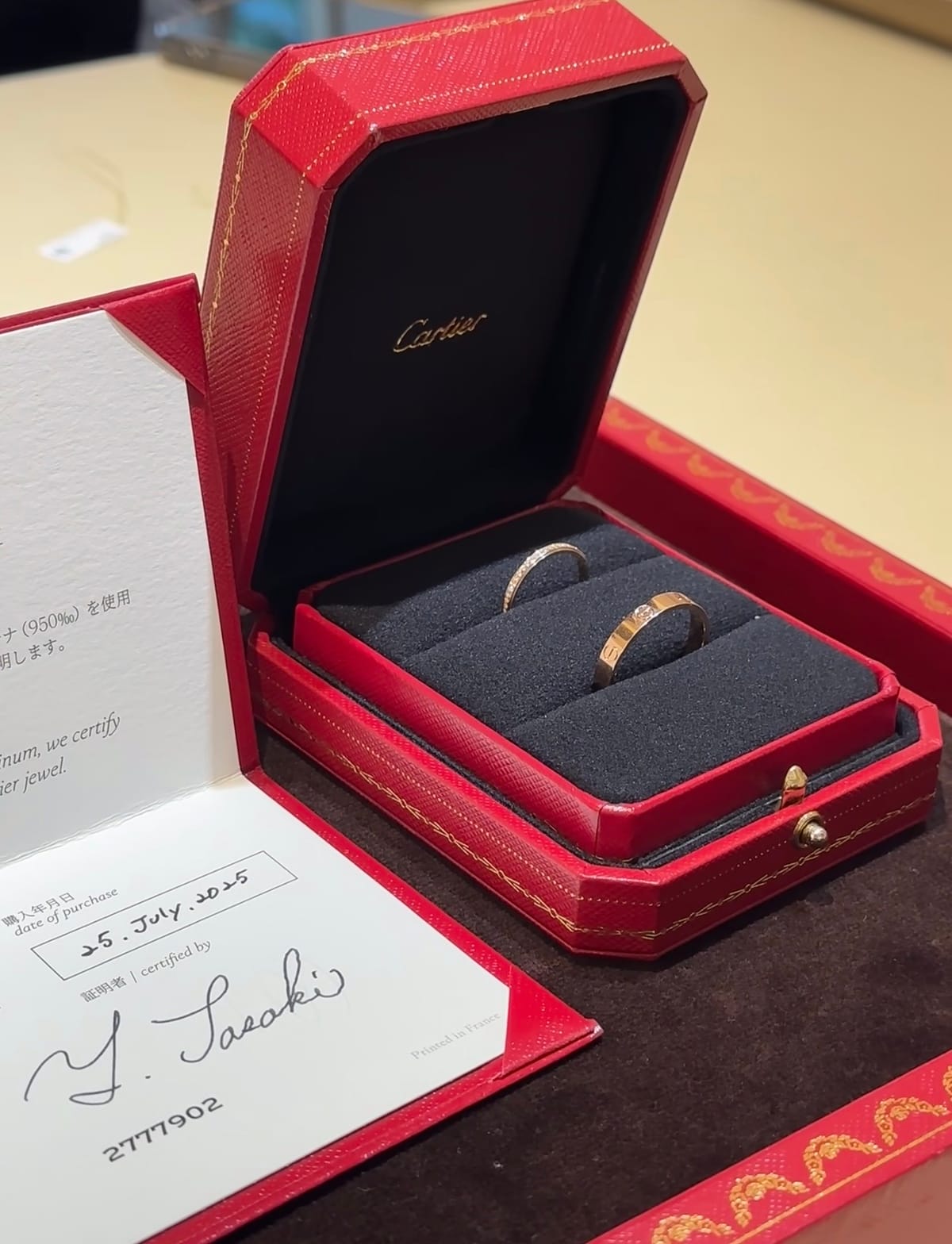
A few days ago, a long-time follower of SuperfakesWiki slid into my Instagram DMs, completely buzzing. She’d found a "Full Set" Van Cleef & Arpels 5-Motif Alhambra Bracelet in Blue Agate through a private WhatsApp dealer. It came with a freshly stamped 2025 certificate, looked absolutely pristine, and was priced significantly below retail. The dealer even offered a local midtown cafe cash pick-up.
"Is this the ultimate leak, or what?" she asked.
I took a deep breath, looked at the photos, and had to give her a reality check. "Girl, this isn't a leak. You are walking face-first into a meticulously engineered trap designed specifically for buyers who think they’re too smart to get conned."
Today, SuperfakesWiki isn't talking about replicas. Every single trick I’m about to expose involves 100% authentic items. But in the pre-loved fine jewelry game, "authentic" doesn't mean "safe."
This is the dark side of the secondary market that resellers will hate me for exposing. Bookmark this right now, because it’s highly likely to get reported and taken down.
💡 Myth 1: "If it passes third-party authentication, it’s a safe bet."
Most buyers assume that as long as a piece passes the "Legit Check" or gets cleared by an authentication platform, they’re in the clear. After all, how much can a dealer mess with a solid gold piece of jewelry?
Welcome to your first major blind spot: The "Franken-Jewelry" Effect.
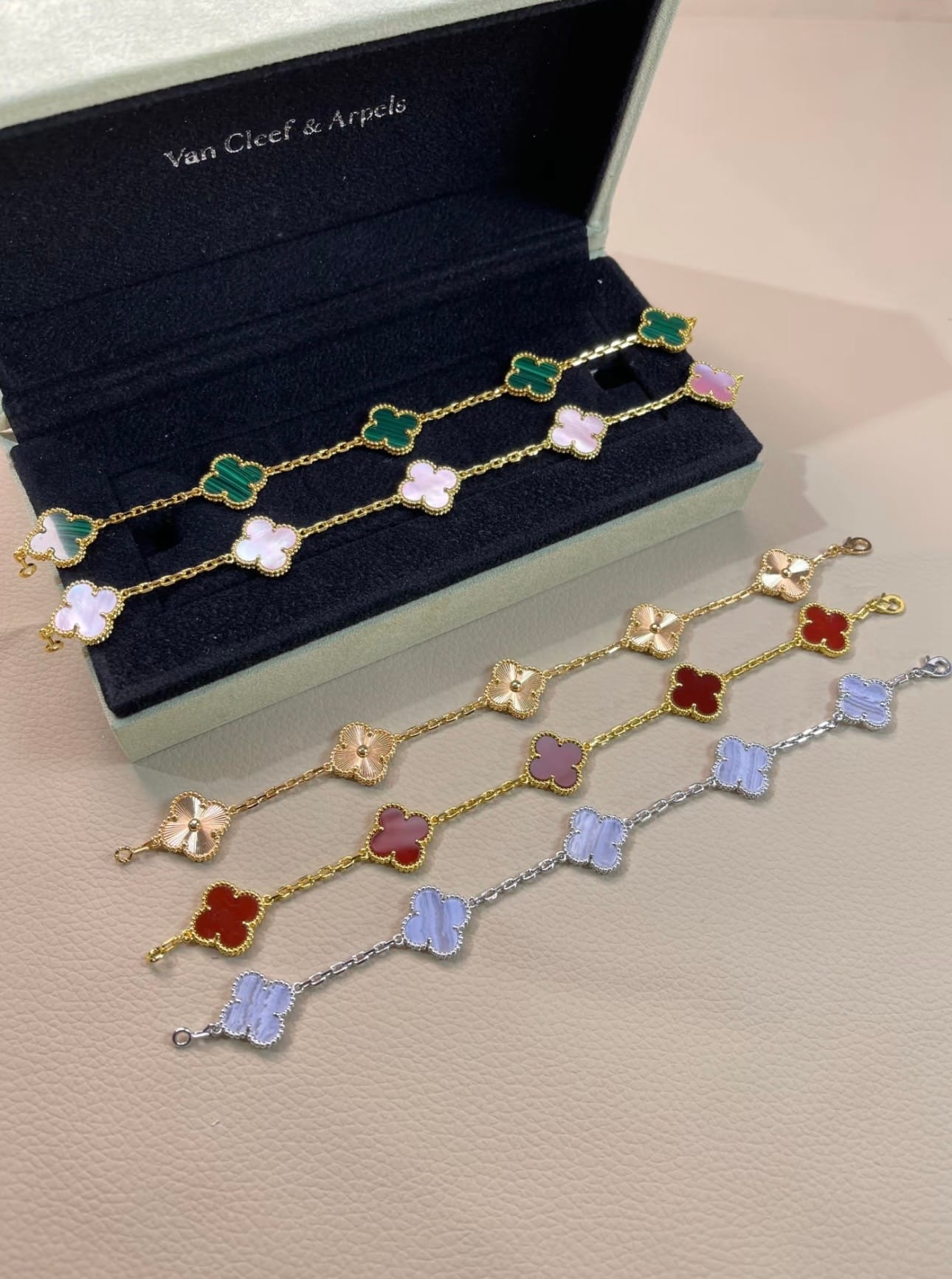
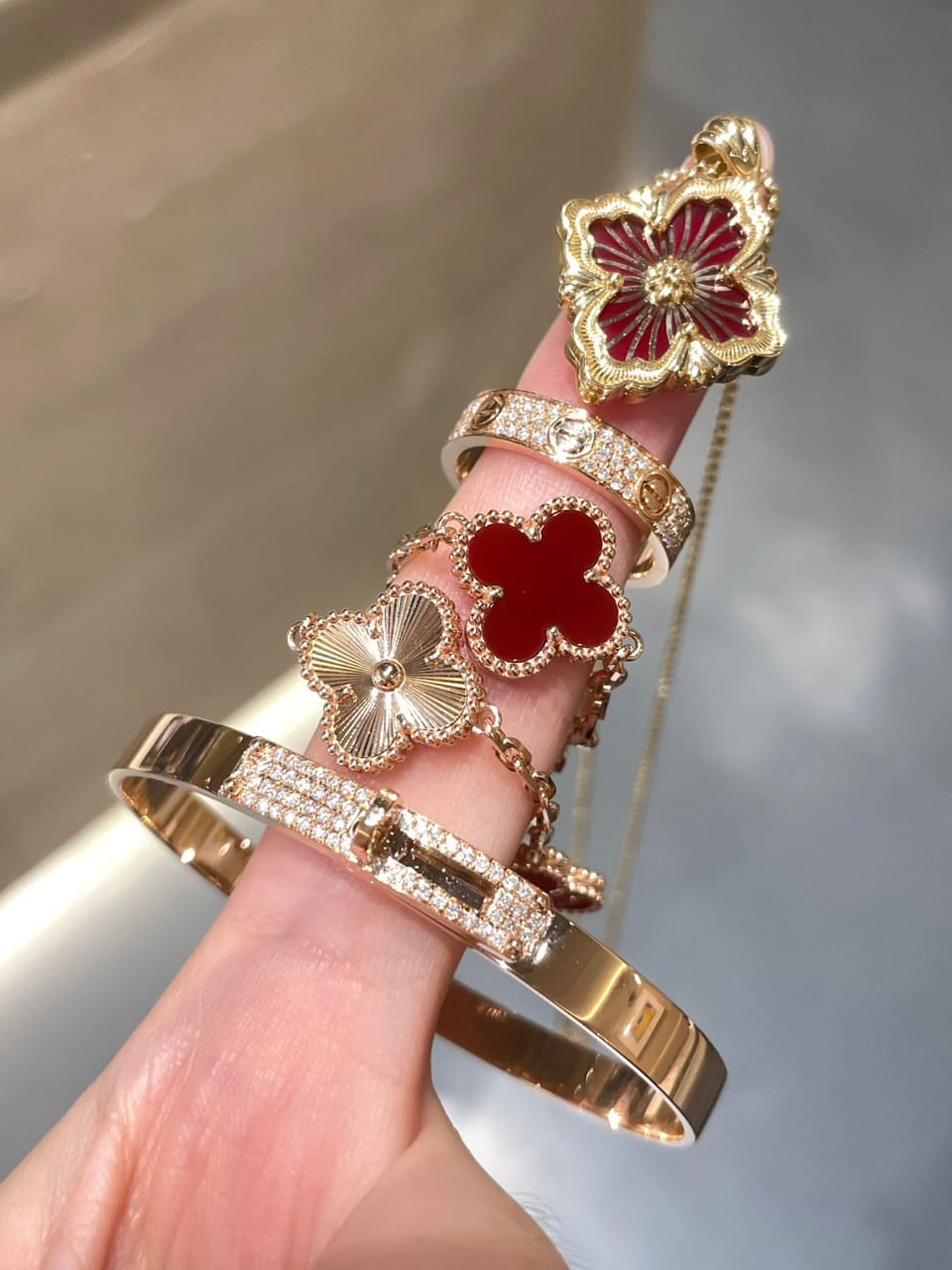
Let's look at the VCA 5-Motif bracelet my follower was drooling over. Rare, hyped stones like Blue Agate, Malachite, or Tiger’s Eye are always in high demand and constantly waitlisted at the boutiques. When resellers can’t source them organically, they create them.
They snap up abandoned, dull pieces on the secondary market—usually sweat-damaged White Mother of Pearl or faded Carnelian—at a massive discount, just to rip out the worn-out stones and prep the gold chain for a high-markup conversion. The gold chain is real. The clasp is real. The serial number is real. They then take it to an underground jewelry workshop, pop out the original stones, and inlay aftermarket Blue Agate or Tiger’s Eye.
In the industry, we call this "converting a base model to a luxury trim." If you send this to an authenticator, the gold tests right, the hallmarks look crisp, and it passes. But it’s a modified hybrid. Not only will the boutique blackbox it and deny any future servicing, but you also just paid a $2,000 premium for a piece of DIY craft project.
💡 Myth 2: "I’m buying a 'Full Set' in 'Pristine Condition'—surely that's bulletproof?"
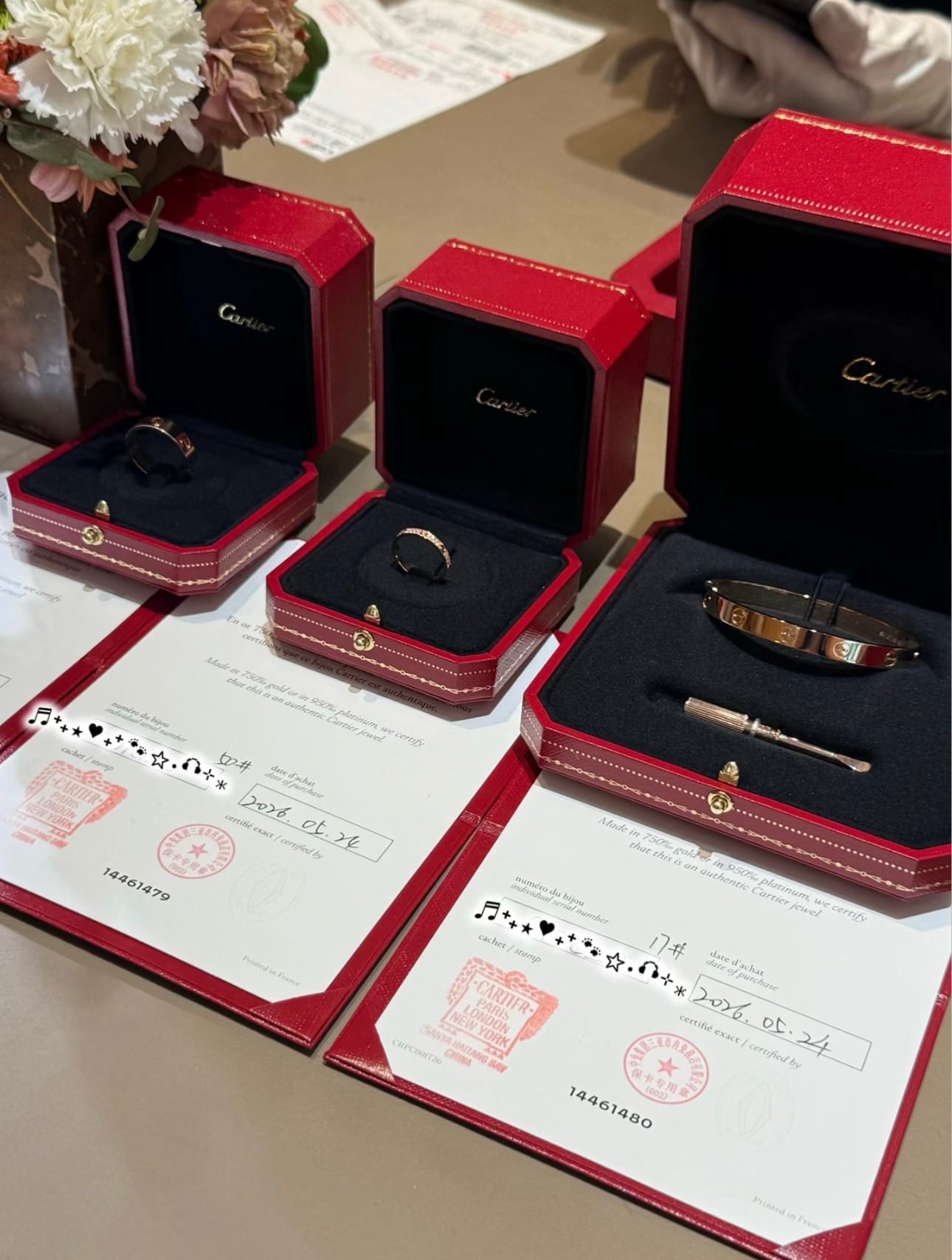
This is the secondary psychological defense mechanism. Buyers love the words Full Set (original box, shopping bag, certificate) and Pristine Condition. It makes them feel like they're getting the boutique experience without the boutique price tag.
Here are two inconvenient truths that make industry veterans laugh behind closed doors:
- The "Over-Polished" Nightmare:The highest profit margins in pre-loved jewelry don't come from selling clean, untouched pieces. They come from buying heavily abused, scratched-up jewelry and putting it through "cosmetic surgery." The previous owner might have worn that Cartier Love bracelet to the beach, gym, and shower for five years. It arrives at the dealer covered in deep gouges. The dealer sends it to a workshop for a heavy polish, aggressive buffing, and a fresh rhodium re-plating. It comes out looking brand new—"Pristine." But here’s the catch: every single aggressive polish shaves off gold weight. You’re paying top dollar for an structurally thinned-out piece that has had its history forcefully erased.
- The $30 Packaging Illusion:Resellers love to jack up prices by $500 to $1,000 just because an item comes with a box and a paper bag. Let SuperfakesWiki tell you a secret: unless the paperwork proves the item was bought in the last 12 to 24 months, those accessories mean nothing. Blank, high-quality replica boxes and matching papers can be bought in bulk by dealers for less than $50. Resellers use them because they know you want to feed your ego and pretend you bought it firsthand at the boutique.
💡 Myth 3: "The date stamped on the certificate can't lie. A 2025 paper is objectively better than a 2018 paper."
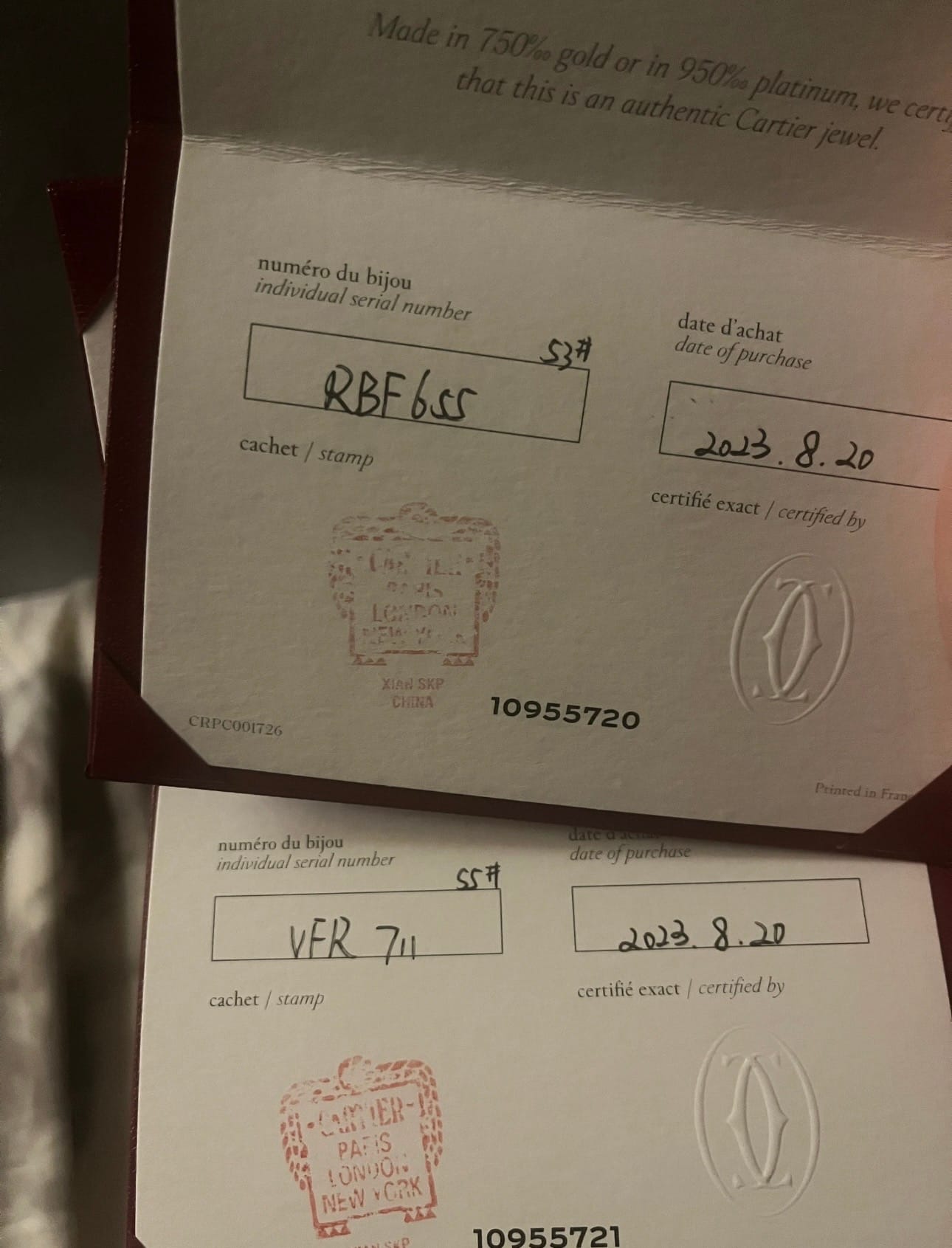
People message me daily saying, "But look, the Cartier certificate says it was purchased recently, so it hasn't been worn much!"
I hate to break it to you, but paperwork can time-travel.
The market for blank, authentic-grade certificates is massive. Shady dealers buy these blank papers, source a vintage stamp from a closed-down boutique or replicate a real one, and back-date or forward-date the certificate. They take a battered, heavily polished 2017 Love necklace, pair it with a freshly stamped 2025 certificate, and suddenly it’s a "near-new, current-year" piece. They walk away with an extra grand in profit, and you walk away with a piece that is a decade older than you think it is.
Never buy the paper. Buy the item. Trust the dealer’s actual tech verification and serial-matching capabilities, not a piece of cardboard.
💡 Myth 4: "What if I’m selling? Those 'Top Dollar Cash Offer' local buyers seem safe."
Let’s flip the coin. What happens when you want to liquidate your own Cartier or Tiffany pieces? You see an ad online: "We buy luxury fine jewelry, highest payouts, instant cash, free valuation." It sounds safe, convenient, and dignified.
In reality, it’s a high-pressure psychological ambush.
To get you through the door or get you to agree to a meeting, they will give you a "High-Ball Offer" over WhatsApp or email—a price well above actual market value just to get you excited. But the moment their "gemologist" sits down with you in a cafe or an office, the trap springs.
They produce a loupe, look at your piece under harsh light, and start pointing out invisible flaws: "Oh, there’s micro-stretching in the gold," "the hallmarks are slightly soft," "the diamond fire is cloudy." Then comes the Last-Minute Price Drop. They slash their offer by 30%.
They rely on the fact that you’ve already spent that money in your head, you’re already there, and you’re likely too polite or too tired to walk away. It’s an extortion tactic that preys on the vulnerable and the non-confrontational.
A Final Reality Check from SuperfakesWiki:
If you choose to enter the secondary fine jewelry market, you need to adopt a cold, strictly clinical mindset. Cut the romance. If you want the champagne, the pristine white gloves, the boutique lighting, and the guaranteed lineage, pay the luxury tax and go straight to the boutique.
If you’re here for a deal, look past the noise. Focus exclusively on three things: bulletproof authentication, hallmark crispness, and original gold weight. Everything else—the "rare" colorways, the "full set" boxes, the paper dates—is just a marketing narrative designed to separate you from your money.
Stop trusting the paper. Trust the metal.
What market should we expose next? Drop your questions in the comments.