Turns Out, Luxury Is Only Suffering If You’re Rich.
We used to think luxury brands were designed to make ordinary people feel bad because we couldn't afford them. But when an industry insider reveals that an $11,000 Chanel flap bag costs $800 to make and a gold Rolex requires a $100k hazing ritual, you realize: it's just an upscale scam.
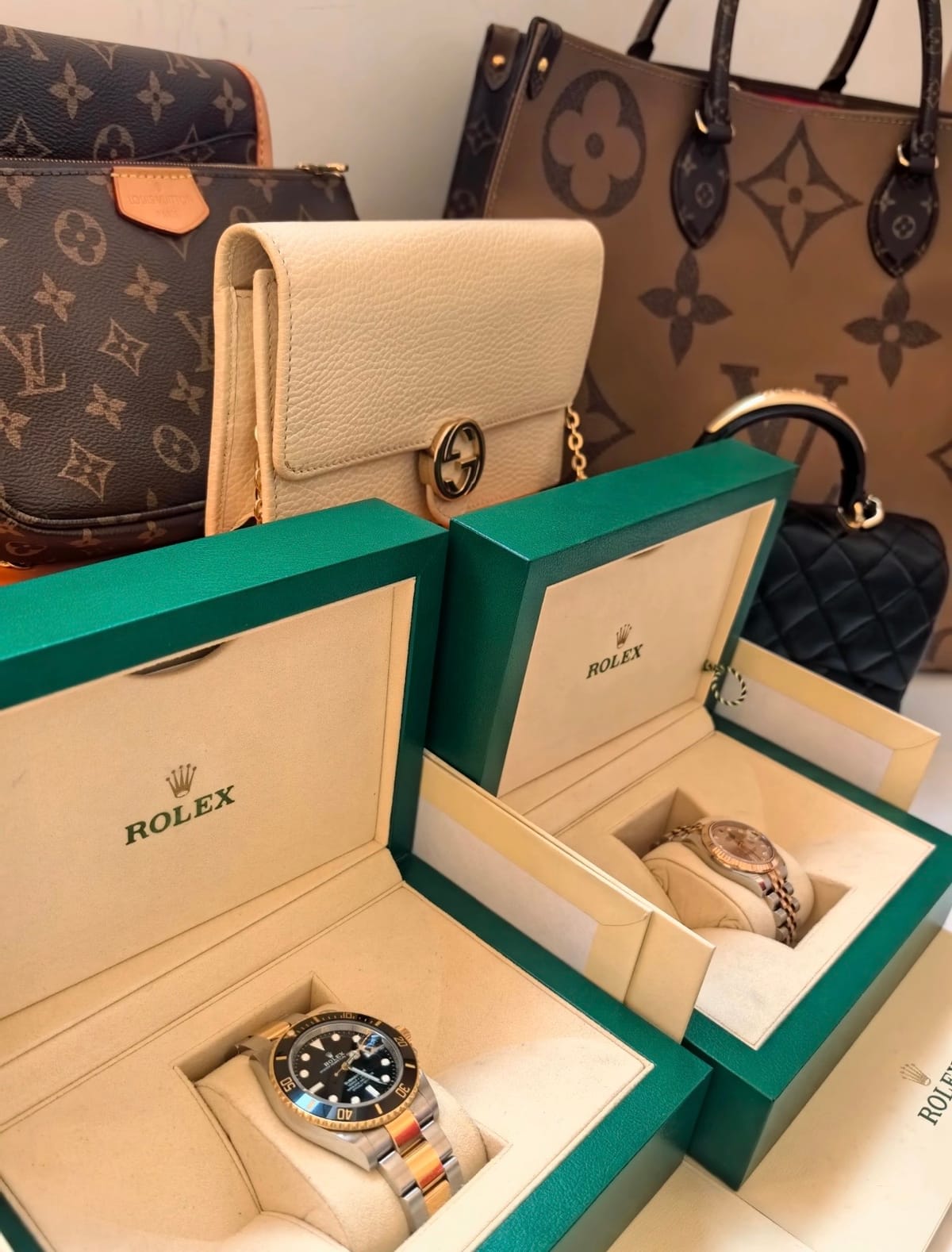
I was having a drink the other day with an old friend who runs a high-end luxury watch and handbag resale business in New York. The market has been notoriously cold lately, so I asked him, "Where did all the people go? The ones who used to drop a house deposit at Bergdorf or Fifth Avenue boutiques without blinking?"
He took a sip of his black coffee, chuckled bitterly, and said, "They finally learned how to do math."
1. Chanel vs. Opportunity Cost
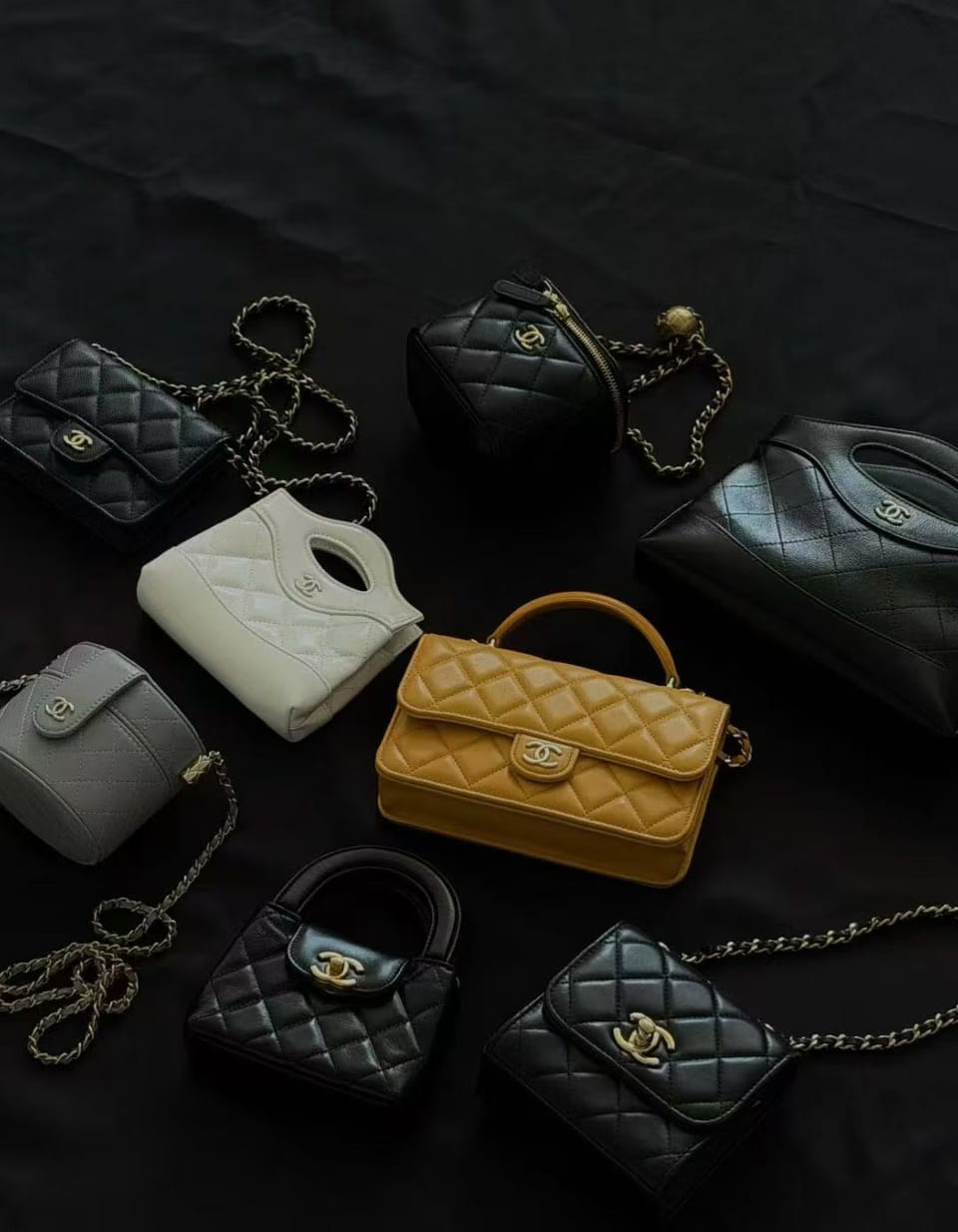
"Think about it," he said. "People used to think dropping $11,000 on a Chanel Classic Flap was the ultimate flex. Now, they look at it and realize that exact same cash is a down payment on a Porsche, or a full year’s lease on a brand-new Tesla that they can actually drive to work every single day."
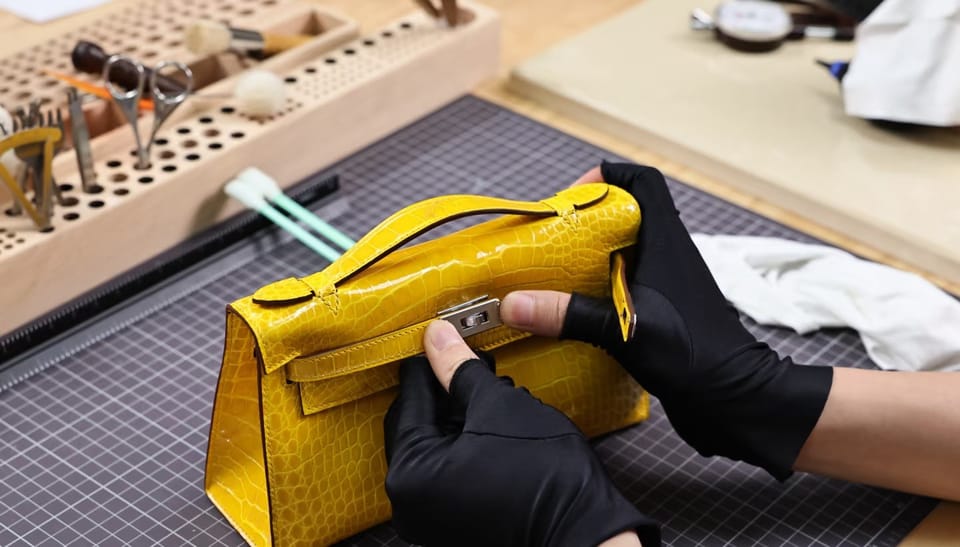
"But if you buy the Chanel? Anyone inside the industry will tell you the actual material and manufacturing cost is barely $800. And you have to baby it like a newborn."
I was a bit skeptical. "Okay, but what about Louis Vuitton? Their canvas is practically indestructible. That’s got to hold some value, right?"
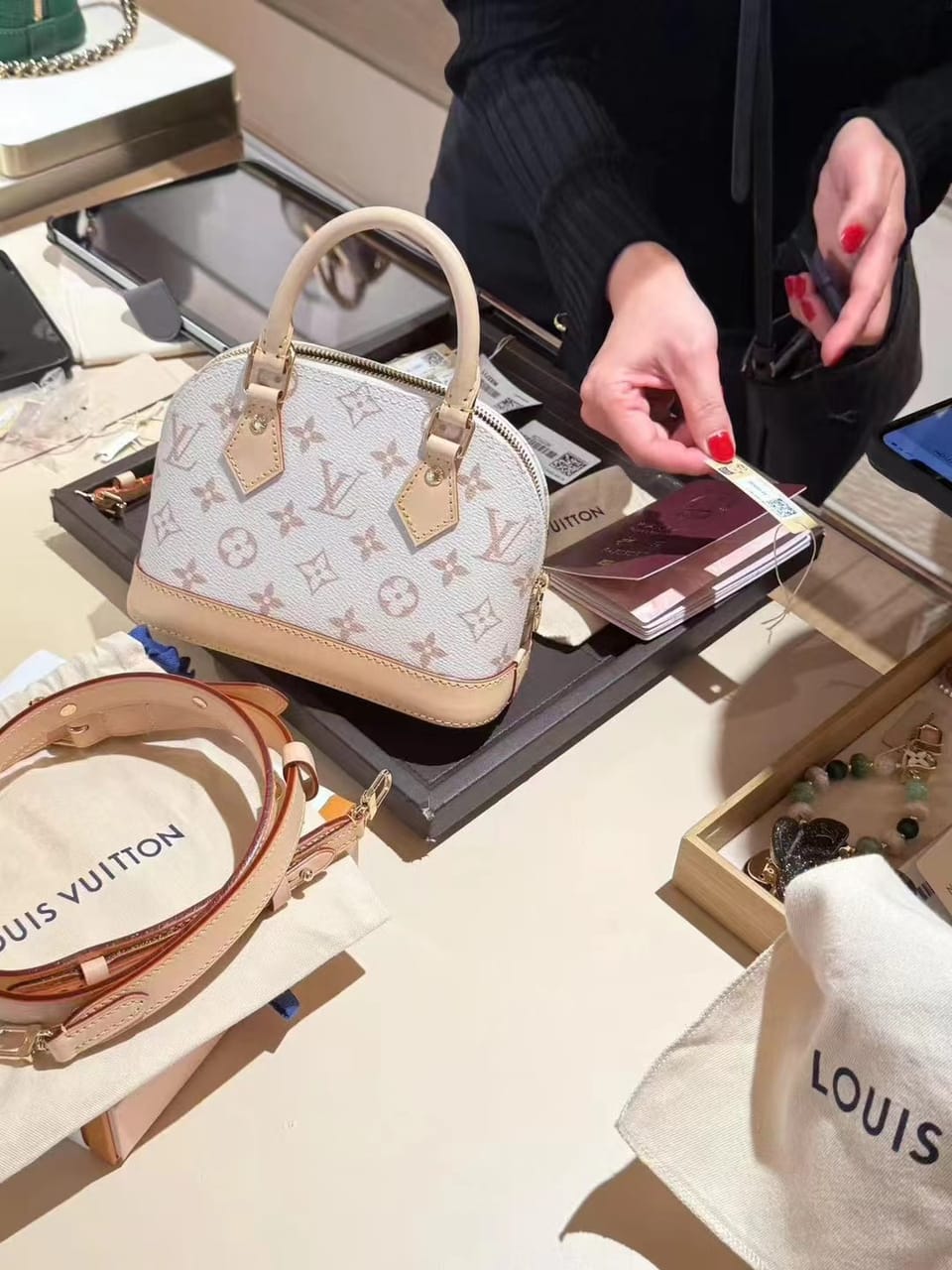
He rolled his eyes. "Don't buy into the luxury SA (Sales Associate) hype. People spend thousands on an LV bag at the Harrods or SoHo store, take it out to a bar, accidentally spill a drop of hand sanitizer on it, and bam—the color strips right off. That’s when they find out that 'coated canvas' with the fancy-sounding Vachetta leather is just a marketing term for treated canvas and synthetic materials. Sure, it's waterproof, but it's definitely not alcohol-proof."
"Go walk around the ground floor of any luxury department store. All those embroidered, knit bags that cost a mortgage payment? People imagine some French artisan sewing them by hand under a kerosene lamp. In reality? They come off the exact same heavy-industrial assembly lines. If a local brand sells a well-made canvas tote for $30, nobody wants it. Slap a Parisian logo on it, price it at $3,000, and people will camp outside the store overnight."
2. The Chanel jewelry "Plastic" Myth
"Well," I argued, "if the leather goods are a markup scam, at least the jewelry is precious metal, right? Those shiny Chanel chains and earrings look expensive."
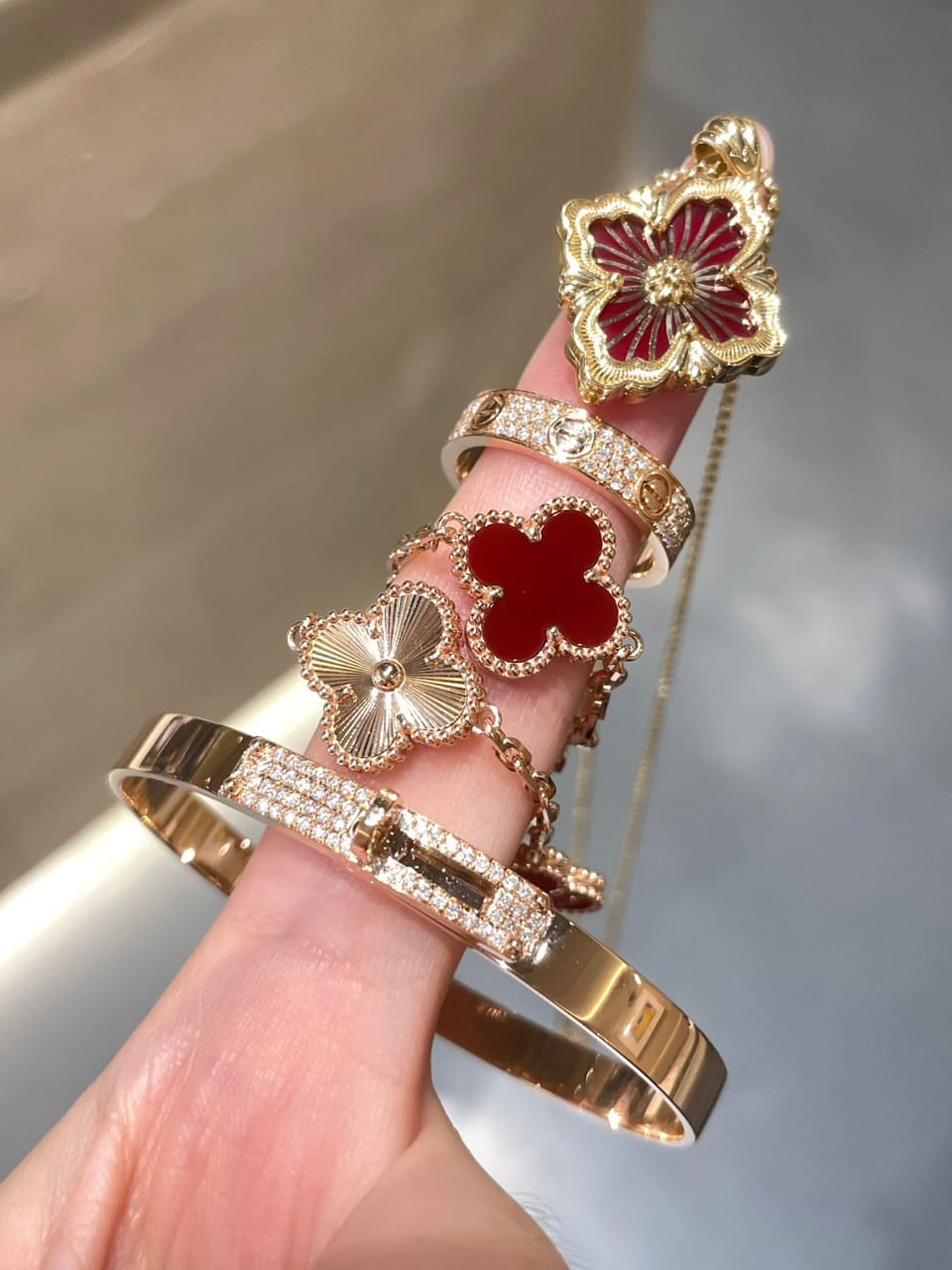
He almost choked on his drink. "Precious? Have you ever checked the fine print on the materials? Chanel’s iconic classic pearl necklaces? The material list literally says 'costume pearl'—which is just a high-society word for plastic. LV’s silver fashion jewelry? Mostly brass and zinc alloy. Those shiny, blinding gold pieces aren't even 18k solid gold; they’re just gold-plated base metal."
"That’s why the smarter buyers are completely waking up. They’re walking past the fashion jewelry counter and going straight for investment timepieces with real gold and diamonds. At least watches have some financial liquidity in the grey market."
3. The $100,000 Rolex Game
"But that’s where the game gets truly sadistic," my friend whispered, leaning in.
"You think having $40,000 in your pocket means you can just walk into an authorized Rolex dealer (AD) and act like a king to buy a solid gold Daytona? Good luck. Look at the grey market right now—a heavy-hitter like the 'John Mayer' or a chocolate dial is trading way above retail. You think it's just independent dealers driving up the prices? No, the dealers are crying too. Rolex relies on authorized dealers, and the golden rule of the AD is simple: Purchase history is everything."
It all clicked for me then. If you want to buy a heavy-hitter Rolex at the official retail price of $40,000, you don't just pay $40,000. You have to build a $100,000 'purchase history' first on non-hyped jewelry and ugly, small-sized Datejusts that nobody wants. Then, you sit at home like a misbehaved schoolboy, waiting six months for the dealer to call you. The VIP clients and the grey market dealers are all trapped in the exact same abusive relationship—everyone is forced to bundle and play the game.
The Ultimate Irony
As we left the bar and walked past the glowing windows of the luxury flagships on the avenue, the sheer absurdity of it hit me.
We used to think luxury brands were designed to make ordinary people feel bad because we couldn't afford them. But now I see the truth: The system is explicitly designed to humiliate the rich.
They take the cheapest industrial raw materials—plastic, canvas, brass—wrap them in a vague heritage myth, and then invent a toxic, gatekept allocation system just to make wealthy people beg for the privilege of being ripped off.
I turned to my friend and said, "You know what? I’m actually glad I was broke back in the day. At least back then, luxury brands didn’t even have the opportunity to make a fool out of me."