How to Avoid Receiving Lower-Quality Bags From Suppliers: 3 Situations Buyers Should Know
In the luxury replica bag market, quality problems are not always caused by a bad supplier. Sometimes they are related to production timing, inventory cycles, and factory workload. Here are three situations where buyers should be more careful.
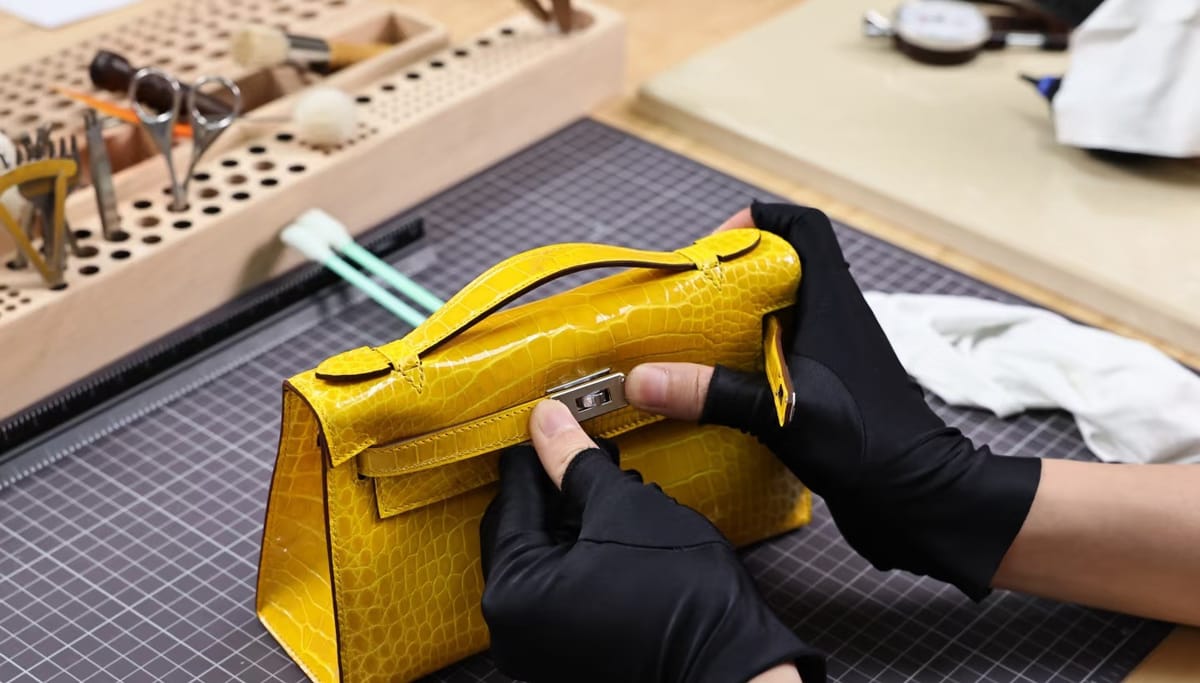
One thing many new buyers misunderstand:
A good supplier does not mean every single piece will always be perfect.
In manufacturing, small quality differences are normal.
But after dealing with suppliers for a while, you start to notice that some situations have a higher chance of quality issues.
Here are three situations experienced buyers usually pay attention to.
1. The First Batch of a New Model
The first production batch of a new model usually has a higher chance of small issues.
The reason is simple:
The factory is still adjusting the production process.
For a new design, workers need time to become familiar with:
- Cutting patterns
- Material handling
- Stitching details
- Hardware installation
- Finishing techniques
Of course, this is not absolute.
It depends on:
- The brand style
- The complexity of the design
- The factory's experience
- Production management
A factory with skilled workers and stable production usually handles first batches better.
But factories that frequently use temporary workers or constantly change production teams usually have a higher chance of inconsistent quality.
2. End-of-Season or Clearance Inventory
This situation exists in almost every industry.
When inventory is close to being sold out, the remaining items usually have more quality variation.
Why?
Because the easiest-to-sell pieces have already been purchased.
The remaining stock may include:
- Previous customer returns
- Pieces with minor issues
- Items with details that are difficult to notice
Sometimes these problems are not obvious.
After basic inspection, if the issue does not affect normal use, some suppliers may put the item back into inventory.
From a supplier's perspective, this is a normal part of inventory management.
But for buyers who care about details, clearance periods require more attention.
3. Avoid Heavy Production Rush Periods
There is a simple rule in manufacturing:
Slow work usually creates better results.
When factories are under extreme time pressure, quality consistency becomes harder to maintain.
The leather goods market usually becomes especially busy around the Chinese New Year holiday.
Before the holiday, many sellers have already sold through a large amount of inventory.
After factories reopen, suppliers need to quickly produce new stock and catch up with demand.
Many factories start working overtime to increase output.
When speed becomes more important than quality, some details can be affected.
For example:
- Stitching consistency
- Edge finishing
- Hardware installation
- Final inspection
This does not mean every factory will have problems.
But experienced buyers know that production pressure increases the risk.
Final Thoughts
The goal is not to find a supplier that never makes mistakes.
That supplier does not exist.
The real difference is understanding:
- When quality risks are higher
- How production cycles affect products
- How to check whether an issue is a real defect or normal variation
The goal is not finding the cheapest supplier.
It is understanding how this market actually works.
For more guides about luxury sourcing, craftsmanship, and quality evaluation, explore Superfakeswiki.