Luxury Brands Are Funny: Sometimes You’re Paying Thousands for Materials That Aren’t Even That Special
Ever looked at a $10,000 designer bag and wondered: “Wait… what is this actually made of?” The answer might surprise you. Some of the world’s most iconic luxury products are built with materials that are far more ordinary than people think.
Here’s a funny thing about luxury goods.
People think replicas are easy to spot because the real ones use some kind of magical, impossible-to-copy material.
Like:
“Of course a $15,000 bag looks different. It’s made from some ultra-rare leather from a secret Italian cow that only exists once every 100 years.”
Sounds believable, right?
Except…
Not really.
The truth is much more interesting.
That expensive LV bracelet? It’s not what people imagine.
A lot of people assume luxury jewelry means:
Gold.
Silver.
Rare metals.
But some iconic pieces are actually made with much more ordinary materials.
For example, many Louis Vuitton accessories use brass or other metal alloys rather than precious metals.
And yes, metal can eventually oxidize.
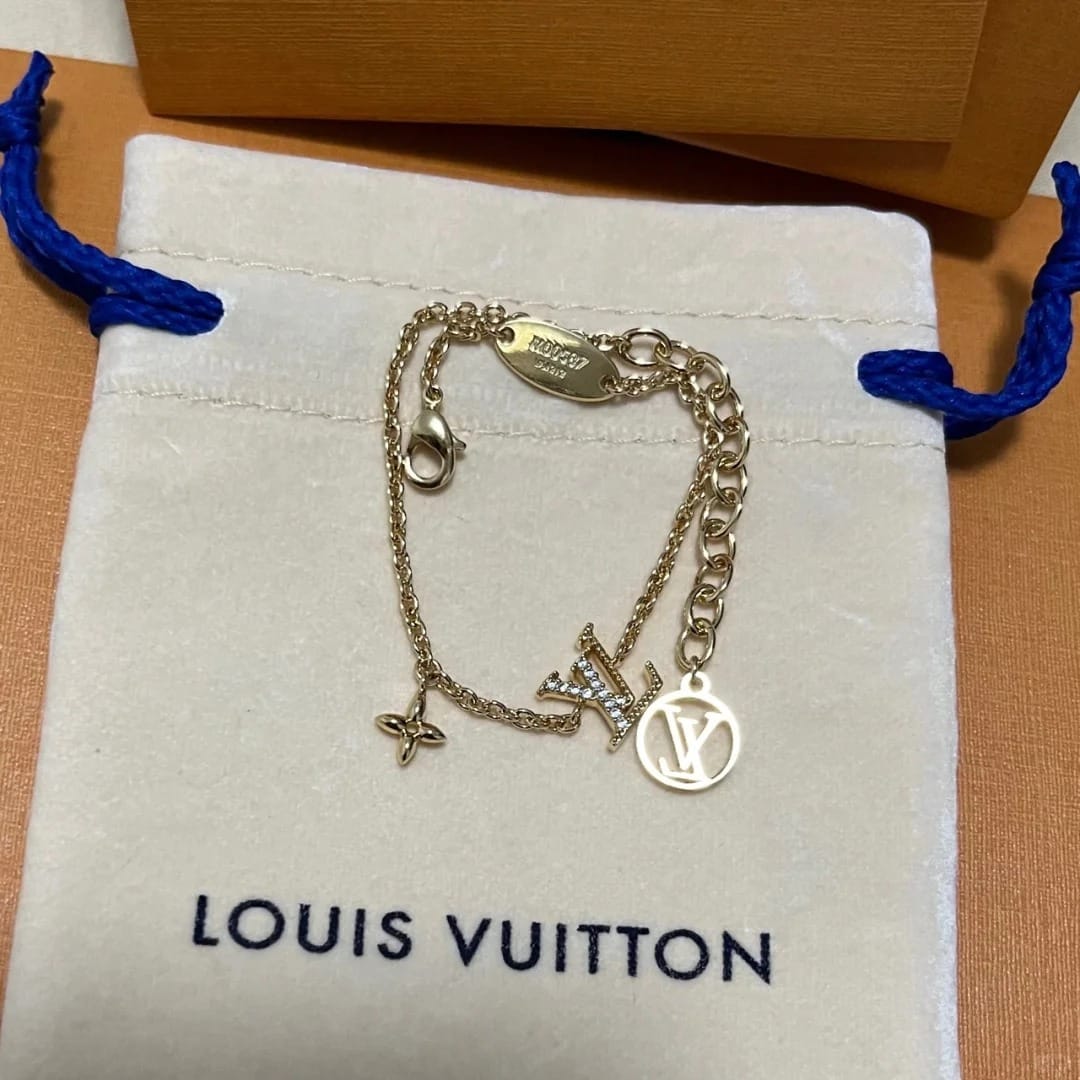
Your luxury bracelet aging like a cheap necklace after years of wear?
Kind of ironic.
You paid for the logo, not immortality.
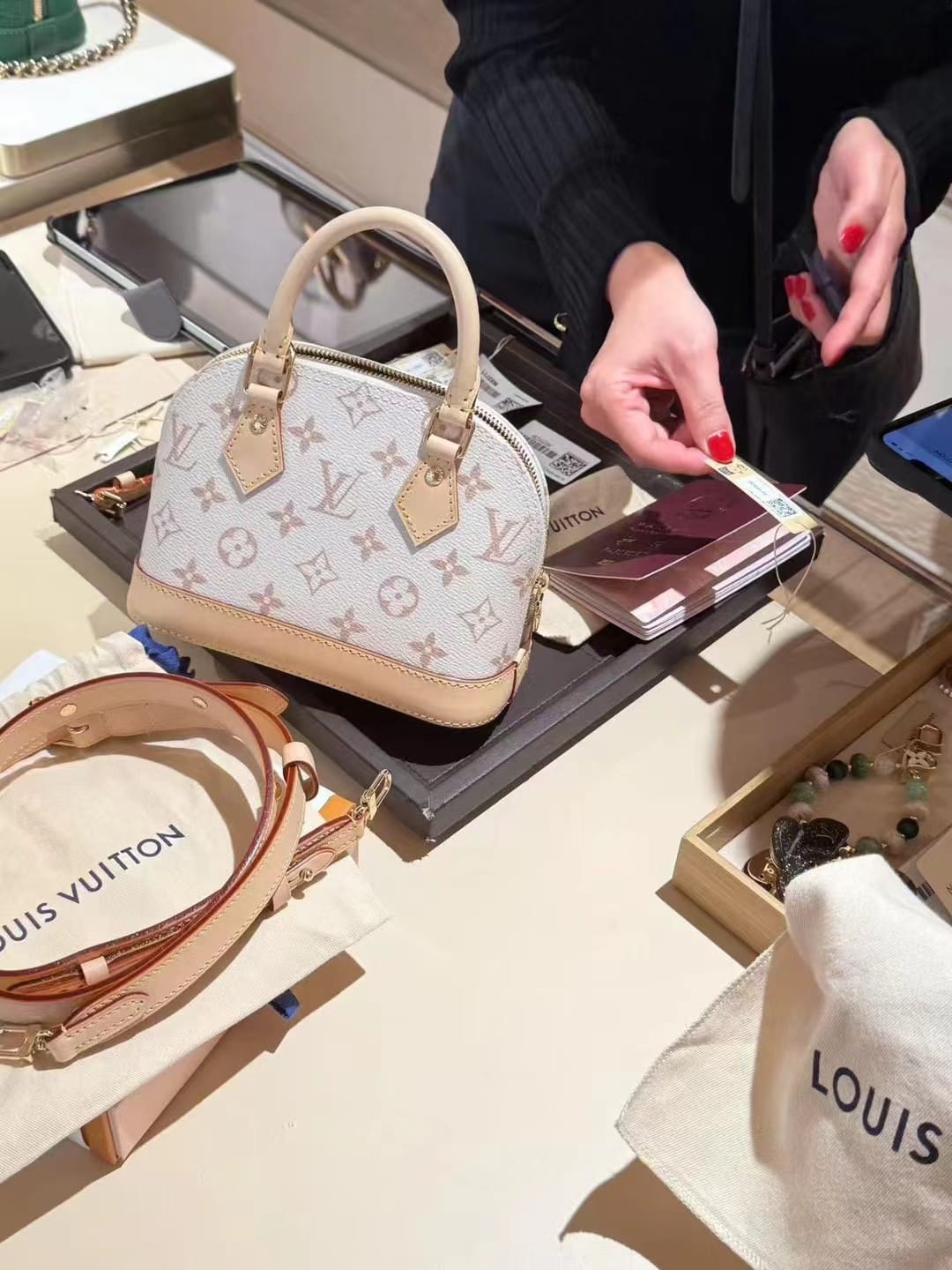
The famous LV Monogram bag is not actually leather
This one surprises a lot of people.
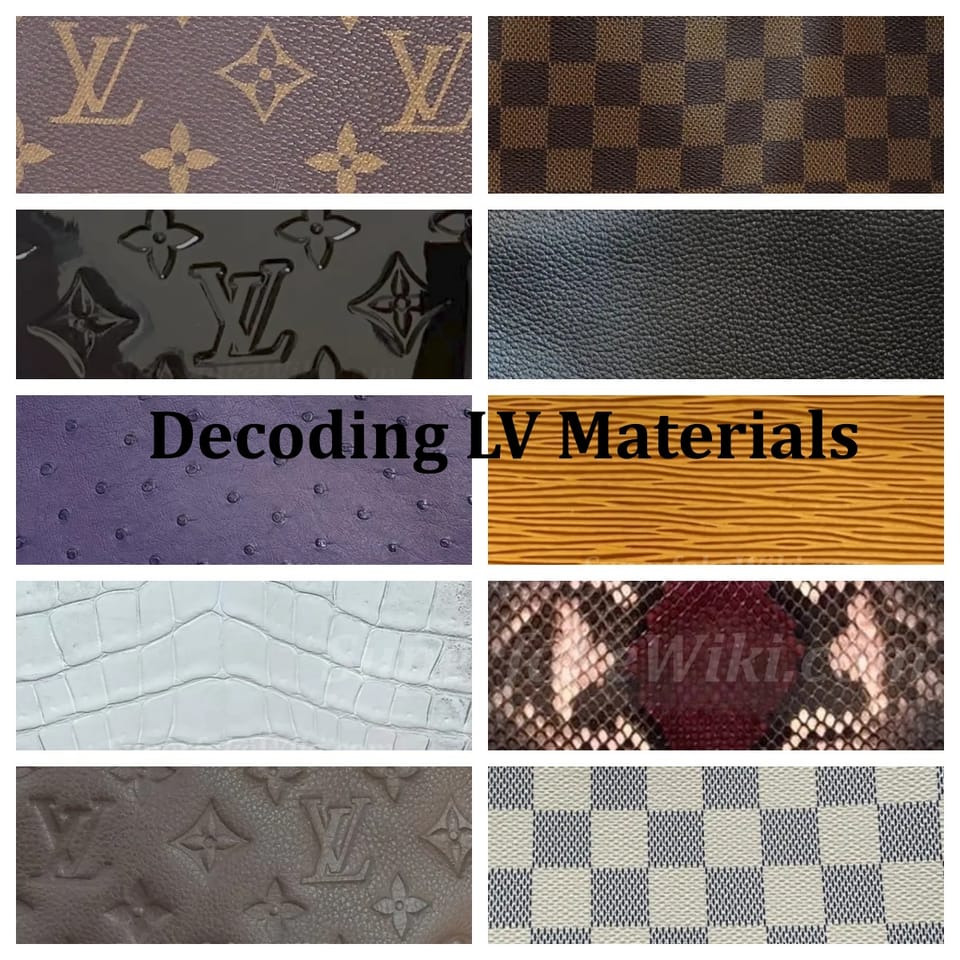
The iconic LV Monogram canvas?
It’s not full leather.
It’s coated canvas.
Basically, a textile base with a protective coating that creates durability and that famous LV look.
And honestly?
This is one of the funniest things about luxury.
People spend thousands because they think they are buying “the finest leather in the world.”
Meanwhile, one of the most recognizable luxury materials in history is literally a coated fabric.
And somehow…
It became legendary.
Dior’s sparkling jewelry has a little secret too
Those beautiful crystals and gemstones that catch everyone’s attention?
Many luxury fashion jewelry pieces use materials like glass, resin, crystals, and metal alloys.
Not because brands are trying to trick people.
Because fashion jewelry is about appearance.
A stone doesn’t need to cost millions to look expensive.
Sometimes the styling does 90% of the work.
The Van Cleef & Arpels story is even more interesting
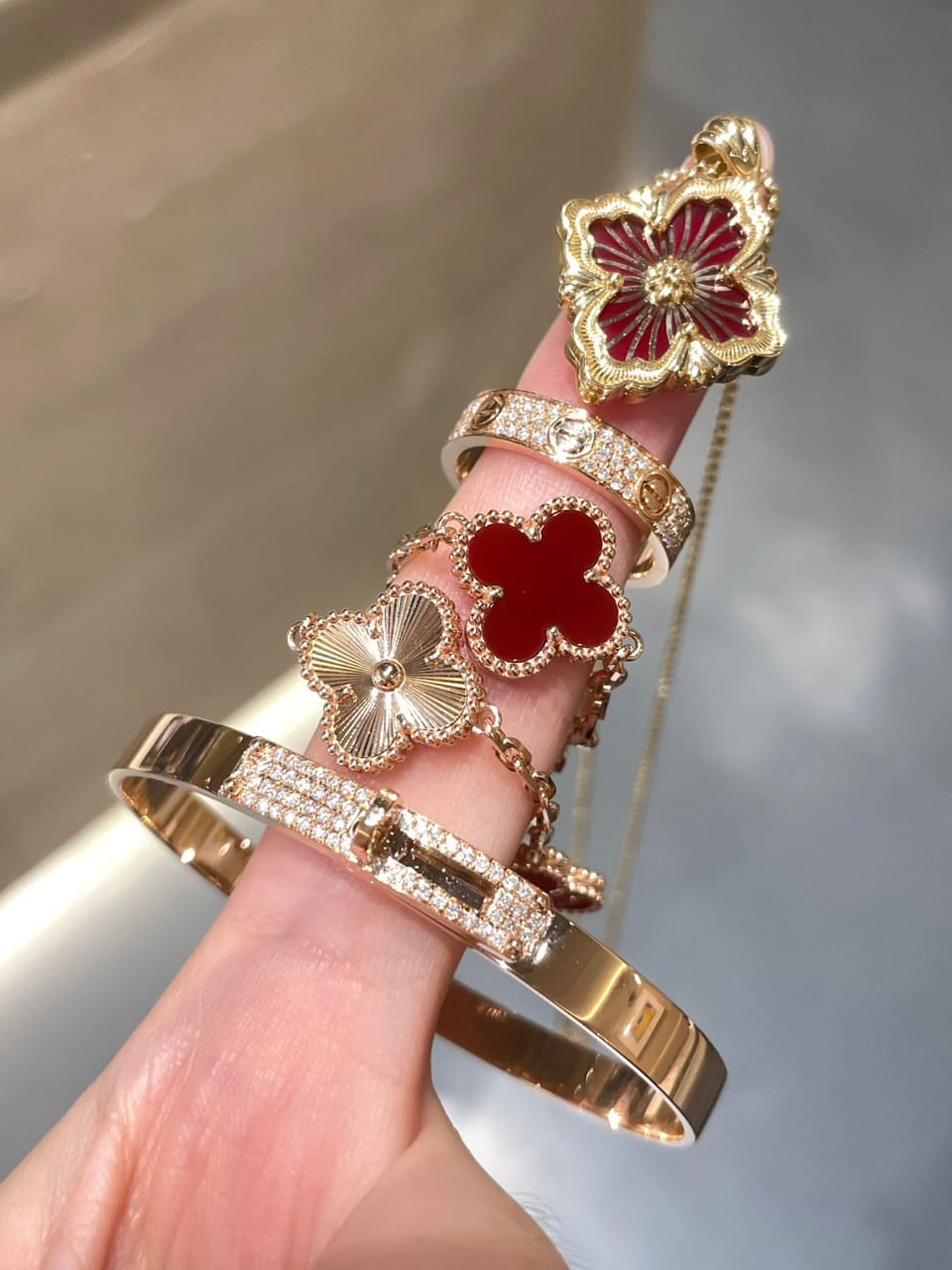
The famous four-leaf Alhambra necklace is one of the most recognizable jewelry designs in the world.
People see it and immediately think:
“Rare gemstone. Extreme luxury.”
But some versions use materials like mother-of-pearl and quartz-based stones.
Beautiful materials?
Absolutely.
Rare like a diamond?
Not exactly.
And that’s where luxury gets fascinating.
A piece can have a huge price tag not because the raw material is expensive…
but because millions of people agree that the design means something.
But Chanel’s pearls are actually a different story
This is probably the funniest example.
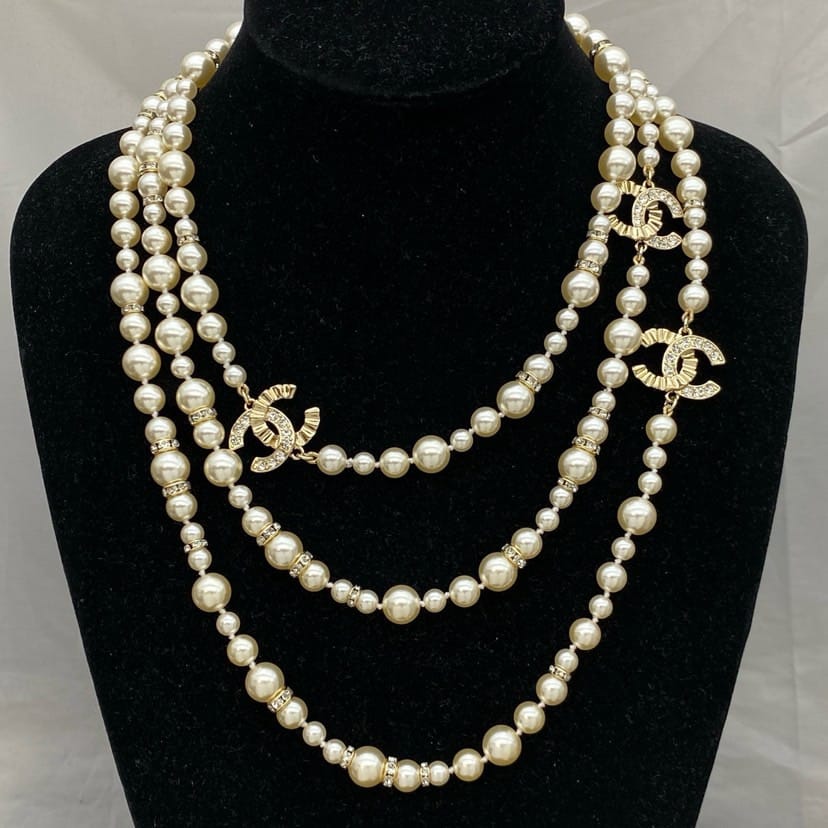
Coco Chanel didn’t use fake pearls because she wanted to save money.
She actually wanted to challenge the idea that elegance belonged only to wealthy aristocrats.
Artificial pearls allowed more women to wear something beautiful.
The irony?
The “affordable elegance” idea eventually became a luxury symbol itself.
The thing created to make fashion more accessible became something people fight to own.
Fashion really does have a sense of humor.
So why do luxury products feel expensive?
Because luxury was never only about materials.
It’s about:
The story.
The design.
The history.
The status.
The emotion.
A replica can copy the shape.
It can copy the logo.
It can even copy the materials.
But copying the cultural meaning behind a product?
That’s much harder.
And maybe that’s the biggest joke of luxury:
Sometimes the cheapest part of a luxury product is the material.
The most expensive part is the idea.