The Opposite of Luxury Isn’t Fakes. It’s a Better Vacation
The luxury super-cycle is dead as crashing middle-class confidence and aggressive price hikes permanently lock out aspirational buyers, forcing brands to retreat to absolute scarcity or perish.
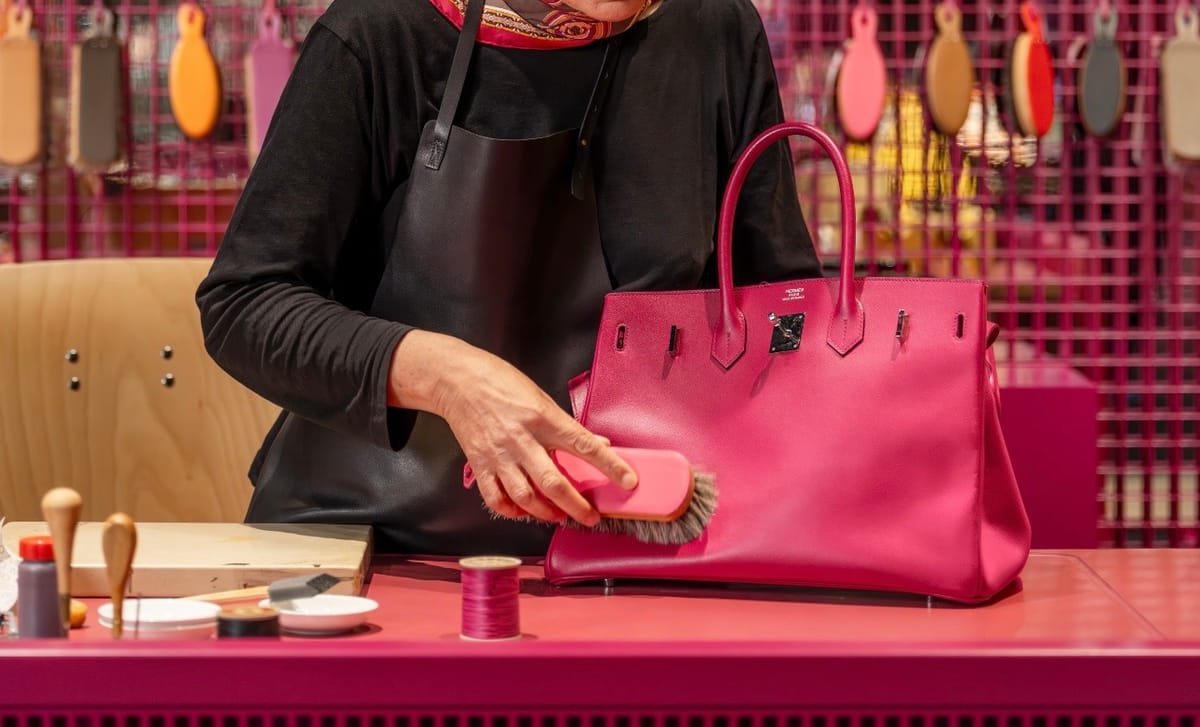
Is the 30-year luxury super-cycle truly over, or are we just tired of buying overpriced canvas?
The super-cycle is dead, middle-class dreams are cooked, and the industry is facing a brutal truth: The opposite of luxury isn’t fake goods—it’s a better vacation.
Two days ago, the market gave us a hilarious piece of financial theater.
The analyst team at Berenberg dropped a bomb: they declared the "Luxury Super-Cycle" officially dead, downgrading LVMH to a Hold and Kering (Gucci’s parent) to a straight-up Sell. But on that exact same day, LVMH’s stock surged 12%, marking its biggest single-day jump since 2001.
Wall Street is popping champagne while analysts are sounding the alarm. One talks about a "rebound," the other prophesies the apocalypse.
So, who’s lying? Has the 30-year luxury feast actually come to an end?
To understand why the party is ending, you have to look at what paid for the music.
The Great Middle-Class Illusion
The luxury super-cycle started in the mid-1990s. It was an era of hyper-globalization and cheap credit. For three decades, the luxury sector grew at an annual rate of 6%—nearly double the global economy. This wasn’t just a cyclical boom; it was a structural democratization of greed. Luxury was successfully repackaged from an aristocratic privilege into a middle-class coping mechanism.
Chanel in the 90s, Louis Vuitton in the 2000s, Gucci and Dior in the 2010s—luxury stopped being an exclusive marker of identity and became mass pop culture. It was the era where everyone, supposedly, could own a piece of the pie.
That engine ran on two specific fuels:
- The Chinese Miracle: Three decades of explosive growth created a massive army of "new money." The first LV bag wasn't just leather; it was a certificate of social mobility.
- The American Debt Dream: Low interest rates and "Buy Now, Pay Later" models turned luxury into an impulse buy. Shopping became a religion; logos became personalities.
But both engines are officially choking.
Two Kinds of Buyers, One Economic Reality
Berenberg’s report contains one critical insight that most mainstream media completely glosses over. They divided luxury buyers into two distinct camps:
- Absolute Luxury Consumers: The ultra-wealthy. Their spending is tied to assets and capital. They do not care about inflation.
- Aspirational Consumers: The middle class. Their spending is tied to disposable income and confidence.
The entire 30-year luxury boom was built entirely on the backs of the latter. And right now, that group is staging a mass exodus. In 2024 alone, the global luxury market lost about 50 million consumers. Most of them were these aspirational buyers. They didn't just take a temporary break—they’ve been permanently priced out by reality.
Over the past four years, luxury brands aggressively jacked up prices by an average of 20%, while wages stagnated. In America, 69% of middle-class families say their income can't keep up with the cost of living. In China, market sales plummeted by nearly 20%, driven by massive economic uncertainty and a psychological shift called "luxury shame." In an anxious world, flashing a massive logo isn't sophisticated anymore; it’s just tacky.
When working hard no longer guarantees a better lifestyle, a $4,000 canvas bag loses its psychological justification. Luxury is no longer a symbol of climbing up; it's a reminder that you're locked out.
The Demise of the Aspirational Buyer
┌───────────────────────────────┬──────────────────────────────┐
│ The 30-Year Peak (1995-2025)    The New Reality (2026+)
├───────────────────────────────┼──────────────────────────────┤
│ Driven by Middle-Class Debt   │ Driven solely by Ultra-HNWIs │
│ Growth: ~6% Annually          │ Growth: Sluggish 2% to 3%    │
│ "Buy Now, Pay Later" Excess   │ "Luxury Shame" & Retraction  │
└───────────────────────────────┴──────────────────────────────┘
The Ultimate Inversion: What Replaces the Bag?
As growth cools from 6% to a sluggish 2%, the industry is fracturing into a K-shape. Ultra-exclusive brands like Hermès and Ferrari, which cater purely to the top 0.1%, are doing just fine. But brands like LV and Gucci, which over-indexed on the aspirational crowd, are facing an existential crisis. When the middle-class dream shatters, who do you sell to?
Many brands are playing a dangerous game of trying to play both sides—selling cheap keychains and perfumes to the masses while raising the price of their top-tier bags to please billionaires. But you can't be common and exclusive at the same time. You eventually lose both.
But here is the real plot twist that the financial analysts miss: As long as human status anxiety exists, "luxury" will exist. The capital market will just invent new ways to sell it to you.
Take a look at Bvlgari. Their CEO openly admitted that they started investing heavily in Bvlgari Luxury Hotels because they realized their biggest competitor wasn’t Cartiers’ jewelry—it was the high-end hospitality industry.
The younger generation (Gen Z and Millennials) aren’t losing their desire for status; they are just redefining the canvas. They care about experience over ownership, and self-validation over social labels. Faced with a choice, the modern affluent consumer will happily skip the Chanel flap bag if it means they can spend that $10,000 on a two-week remote expedition, an elite mentorship program, or private equestrian and ski clubs.
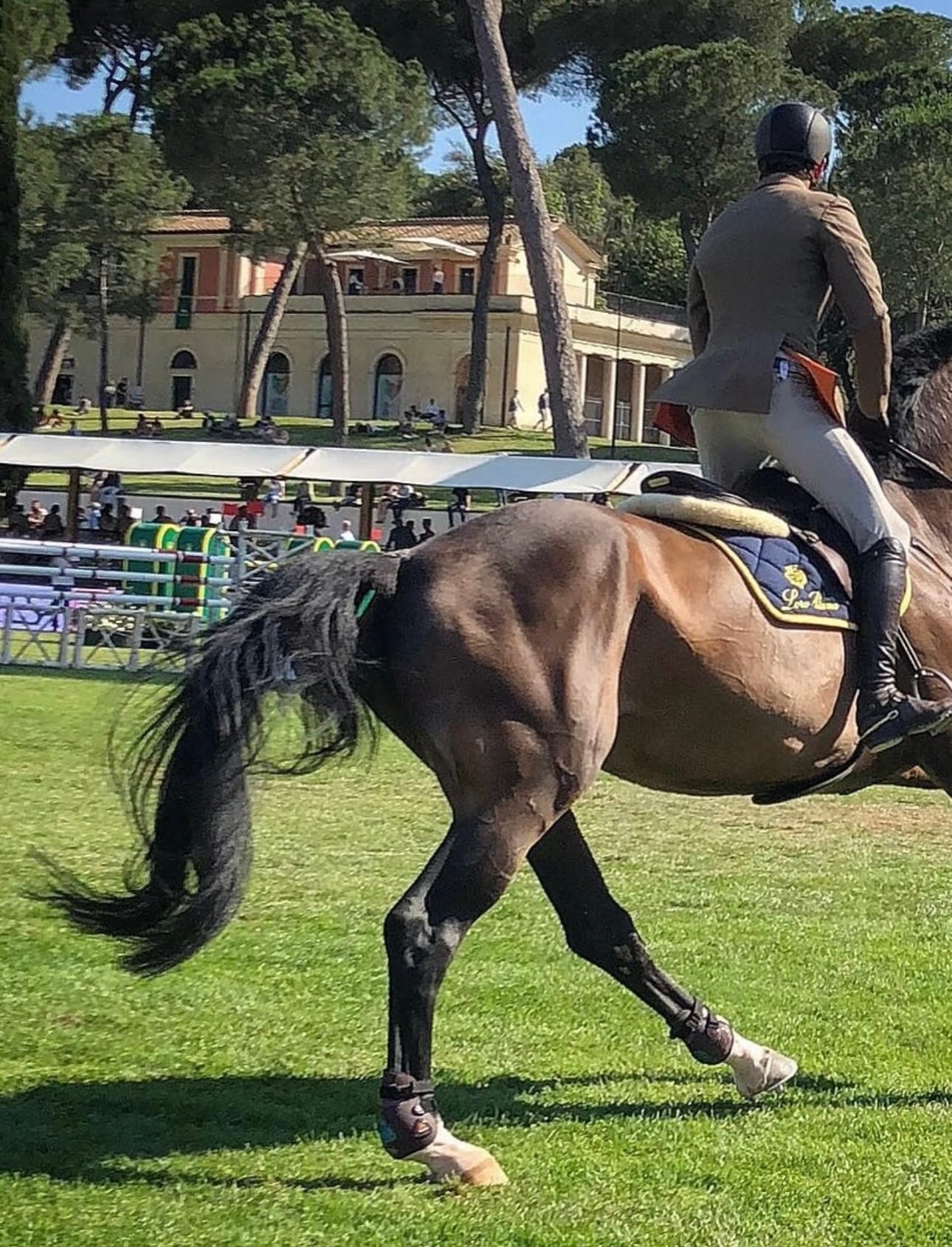
Elite education, niche sports like polo and golf, wellness retreats—these are the new "handbags" of a fragmented society.
The ultimate takeaway? The opposite of luxury isn’t fake goods. The opposite of luxury is alternative status symbols.
The 30-year feast of easy, logo-driven growth has wrapped up. Moving forward, luxury will become colder, narrower, more expensive, and more exclusive. It will no longer be a loud carnival of vanity. It will be a silent badge of wealth. Prosperity made these brands blind, but this slowdown is about to make them honest.