Why the Revenge of Coach is the Most Dangerous Moment for Luxury Big Tech
Luxury overplayed its pricing hand, and Coach just weaponized the mid-market to steal the next generation of wealth.
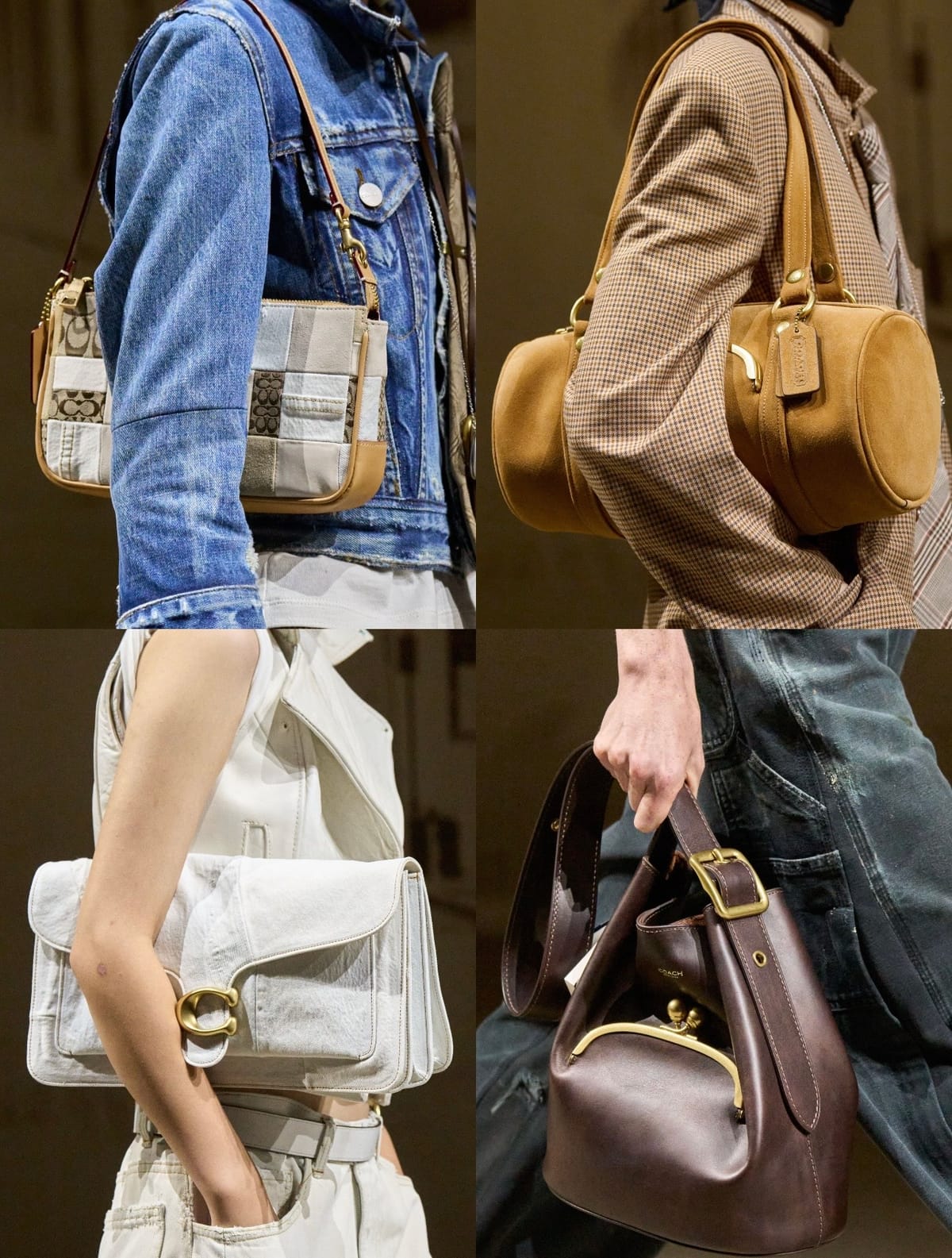
The big luxury cartels thought they could infinite-loop price hikes forever. Then Coach stepped in to absorb the middle-class fallout.
For the past few years, the global luxury cartel believed it discovered a cheat code for permanent growth: Just jack up the prices.
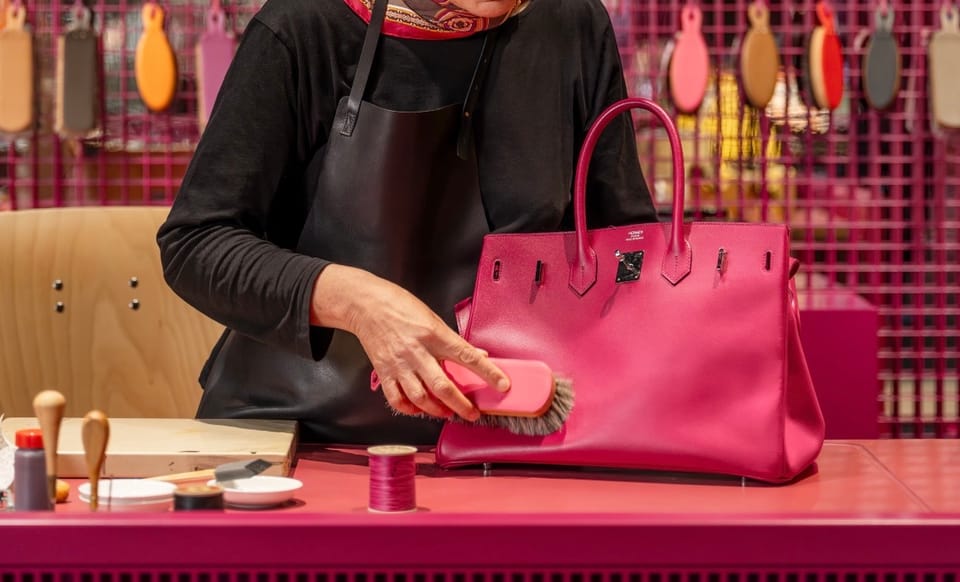
From Hermès and Chanel to Louis Vuitton, everyone executed the exact same playbook post-pandemic. A classic bag that used to retail for $3,000 was aggressively pumped to $5,000, then $8,000, and finally pushed past the $10,000 mark.
Wall Street absolutely drooled over this logic. Higher margins, enforced scarcity, and zero reliance on volume growth. The entire industry formed a smug consensus: Who cares about selling to more people? Just sell to richer people.
They literally started filtering out their own customers. Back in 2022, LVMH internally made it a strategic goal to shift their focus entirely away from the middle class in China. They raised the entry barrier, killed off starter products, and built a fortress around their exclusivity. In the short term, the flex worked. European luxury conglomerates booked historic profits, and their stock charts looked like tech stocks in a bubble.
But they forgot one basic rule of consumer psychology: What happens if people still want the feeling of luxury, but flatly refuse to pay the extortionate premium?
The answer is the violent resurrection of Coach.
The Math Behind the Trap
If you want to see where the luxury premium is bleeding out, look at the latest numbers.
Tapestry (Coach’s parent company) just posted its Q3 fiscal 2026 results. Group revenue hit $1.92 billion—up a massive 21%. But the real killer is the Coach brand itself, which pulled in $1.701 billion, a staggering 31% jump year-on-year.
Q1 2026 Growth Trajectory: High Luxury vs. Accessible Luxury
┌───────────────────────────────┬────────────┐
│ Brand / Group                 │ Growth     │
├───────────────────────────────┼────────────┤
│ Coach (Standalone)            │  +31.0%    │
│ Hermès                        │   +5.6%    │
│ LVMH (Organic)                │   +1.0%    │
│ Kering Group (Gucci)          │   -6.0%    │
└───────────────────────────────┴────────────│
Here’s the kicker: Coach isn't pulling these numbers by dumping inventory at a discount or running firesales at the outlets. For the past few years, Tapestry has been quietly pulling back on promotions, shrinking its outlet dependency, elevating design language, and cleaning up its retail footprint.
In plain English: Coach isn't going downmarket. It’s successfully re-luxurifying itself.
And that is exactly why LVMH and Kering should be terrified. Coach’s explosive growth isn't a cute standalone comeback story; it is a structural warning shot. Consumers are starting to look at five-figure price tags and ask a dangerous question: Am I buying actual quality here, or am I just paying for a billionaire CEO’s stock buyback?
The Great Disconnect
While Coach is sprinting, the top-tier giants are hitting a wall.
- LVMH crawled out of Q1 2026 with a pathetic 1% organic growth, while its core Fashion & Leather Goods division actually dropped 2%.
- Kering is in absolute agony, down 6% overall, with Gucci sliding another 8%.
- Even Hermès, the supposedly untouchable golden child of the industry, slowed down to 5.6% growth—still healthy, but a far cry from the double-digit swagger they maintained for years.
The armor is cracking because the industry's biggest weapon for the past decade wasn't design or craftsmanship. It was the price tag itself.
Luxury brands used prices as a psychological weapon: the more expensive it is, the more elite you feel. And the middle class played along because the bag was a social passport. It proved you belonged to a certain tax bracket.
But that illusion is dead, especially in the US market. The post-pandemic "revenge spending" high has cleared out. High interest rates, mounting credit card debt, and a brutal cost-of-living squeeze mean the aspirational buyer is forced to do actual math on every single purchase. They still want the aesthetic, the clout, and the emotional payoff of a high-end brand—but they want to know if the asset is worth the cash.
Coach found the perfect blind spot. It sits right in that sweet zone: more expensive than mass-market fast fashion, but a fraction of the cost of "True Luxury." It gives you the dopamine hit of a luxury experience without causing a financial crisis.
Aesthetic Democracy and the Gen Z Shift
Many out-of-touch luxury executives think Coach’s growth is just a symptom of "consumption downgrading." They are completely missing the point. It’s not a downgrade; it’s a redefinition of worth.
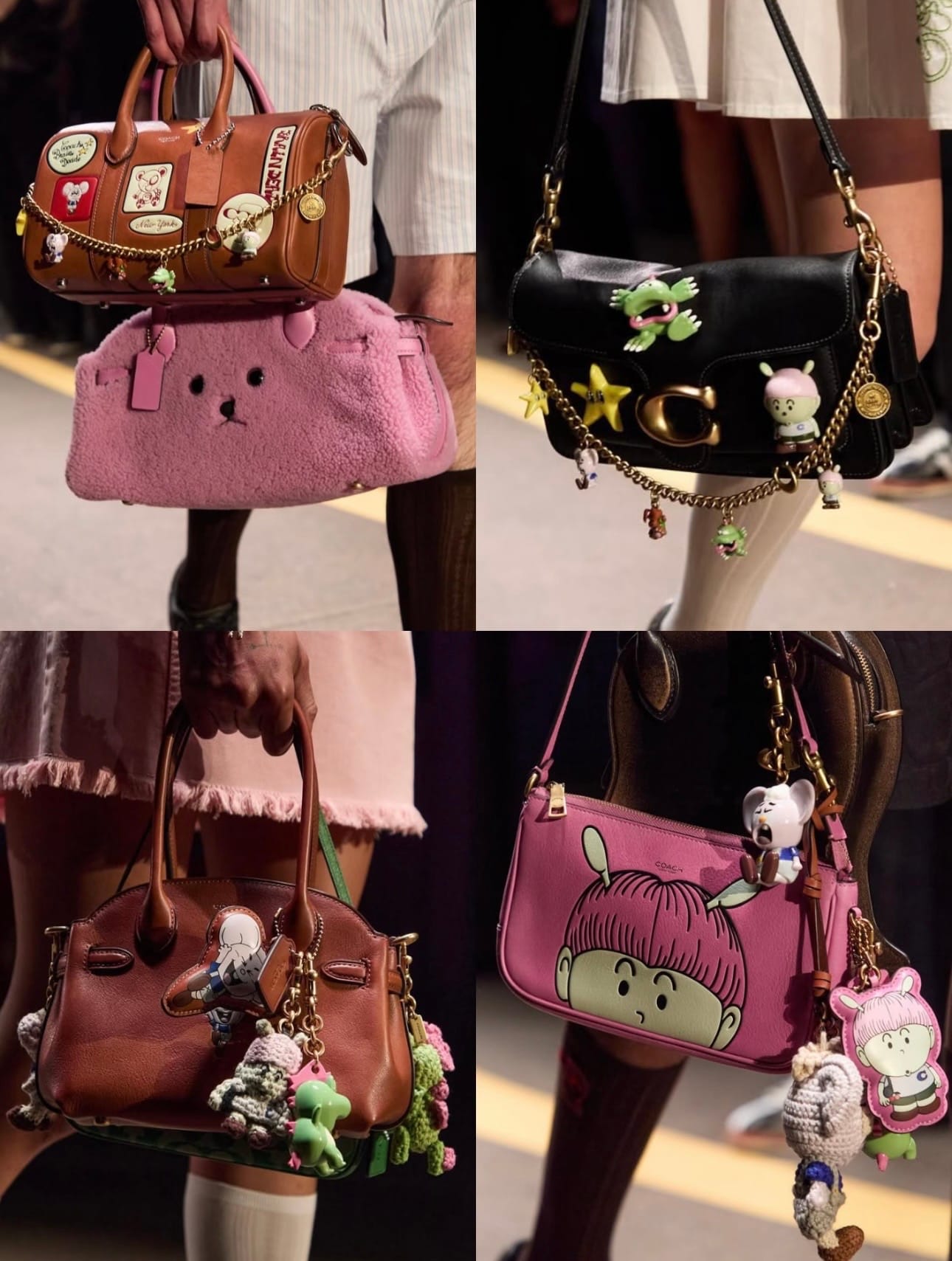
People are realizing that if the leather feels identical and the visual silhouette looks just as sharp, paying 10x more for a specific logo makes you look like a sucker, not an elite.
Social media has completely democratized taste, and Gen Z doesn’t care about 200-year-old European heritage myths. They care about how it styles on TikTok and Instagram. They want to look expensive, sure, but they don't care if the bag came from a historic French workshop or a smart contemporary label.
The internet killed the brand priesthood. A $400 Coach Tabby can pull the exact same social currency and aesthetic validation on screen as a $5,000 Chanel flap bag. Ten years ago, that sentence would have been blasphemy. Today, it’s just how the algorithm works. Attention is the new luxury arbitrage, and Coach knows exactly how to mine it.
Stealing the Future
For decades, the luxury industry’s growth engine was a growing middle class trying to buy their way into an aspirational identity. But the speed of luxury price hikes completely lapped the speed of income growth. The middle class got evicted from the luxury market, but their desire didn't vanish.
Coach stepped right into that massive void. It acts as the perfect luxury alternative—satisfying the hunger for design and status without the economic weight. It is becoming the definitive luxury brand for the modern middle class.
And here is the most lethal part of the story: Coach isn't just stealing current sales; it’s stealing the future.
Tapestry revealed that over a third of their new customer acquisitions are Gen Z. This means the next generation of consumers is entering the premium ecosystem through Coach, not through the traditional European entry-level products.
Historically, a consumer would climb the ladder: start with contemporary premium, upgrade to accessible luxury, and eventually graduate to True Luxury. Today, they are staying put. They are building their entire lifestyle around brands that offer high utility and sharp curation without the bullshit premium—combining Coach with On Running, Birkenstock, and Lululemon.
The Bottom Line
When luxury brands start behaving like financial derivatives—focusing entirely on supply manipulation and margin preservation—they alienate the culture that made them cool in the first place.
The gap in actual, physical product experience between a top-tier contemporary brand and a legacy fashion house is shrinking rapidly. But the price gap is wider than ever. When the value difference is microscopic but the price difference is catastrophic, the brand myth collapses.
The ultra-rich will always buy Hermès. That market isn't moving. But the global engine of consumption has always been driven by the massive middle. Coach’s success proves that the middle class is done funding the luxury cartel's vanity.
Luxury is still the ultimate social currency. But the definition of luxury has flipped. It’s no longer about how much money you can throw away; it's about how smart you can look while keeping your cash.